
[ad_1]
Astrea One Filtered Water Bottle
Best filtered water bottle for tap water (Update: low stock)
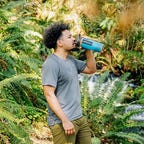
At home or on a hike, you always need water to keep hydrated. However, clean, fresh water is not always available everywhere you go. You can try boiling water, but carrying all that equipment isn’t feasible, and carting around clean water is inconvenient as well. That’s why you should invest in a filtered water bottle, which can help remove bacteria and sediment quickly. It’s without a doubt the most crucial piece of adventuring equipment in you backpack.
While many sources of groundwater and tap water are perfectly safe, it’s never worth the risk to drink from an unfamiliar water source. Even if a water source looks clean, it could be nonpotable contaminated water with viruses, harmful bacteria, protozoa or other microorganisms invisible to the human eye. If you’ve ever been sick from drinking water, you know that waterborne bacteria are no joke. And despite the Safe Drinking Water Act, tap water can still contain contaminants such as lead, chlorine, arsenic, pesticides and even particles from malfunctioning wastewater treatment. Why not give a filtered water bottle a spin instead?
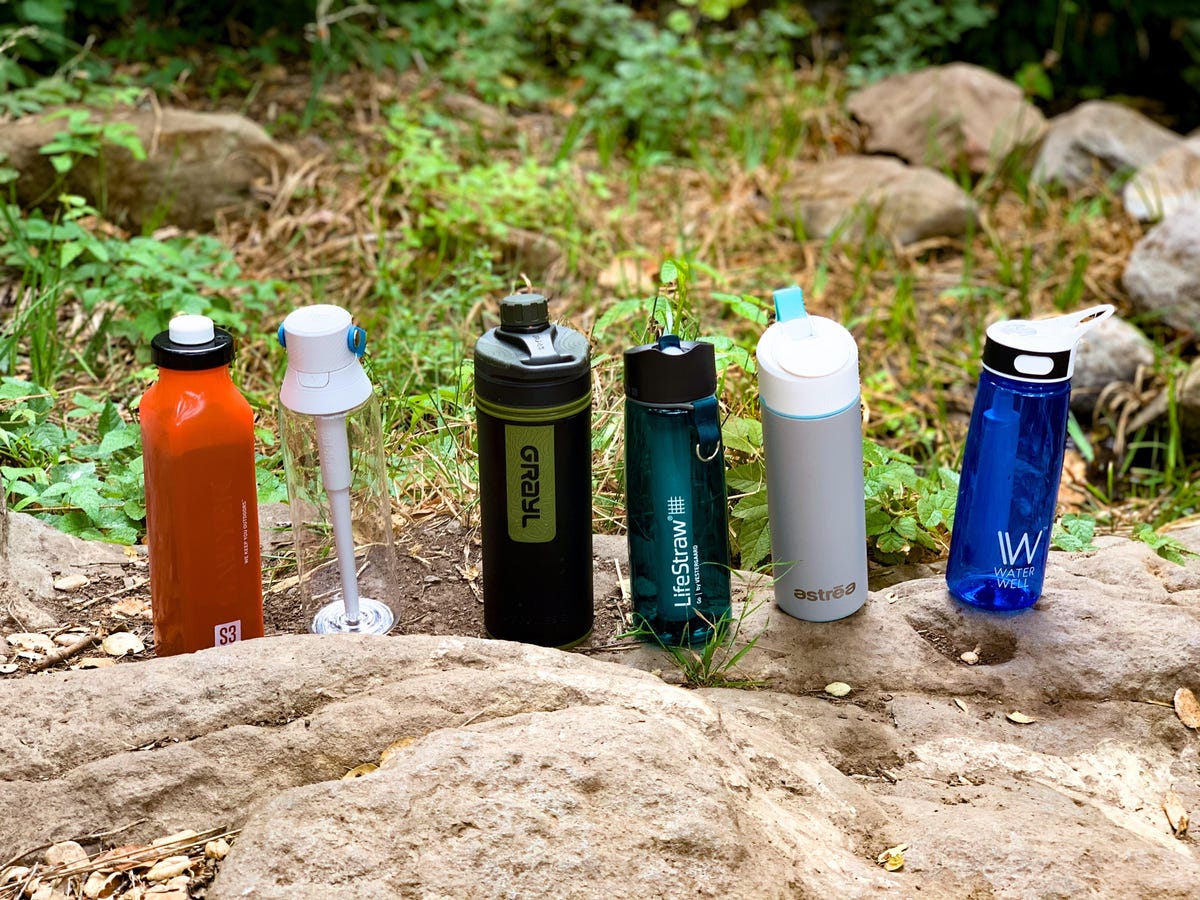
I put six filtered water bottles to the test at a water source of fresh groundwater in Southern California.
Some reasons you may want to say goodbye to using a plastic water bottle or disposable water bottles and invest in a filtered water bottle to keep you hydrated:
- You’re unsure about your tap water
- You travel to other states and countries where you don’t know about water practices and it might contain harmful contaminants
- You go hiking, backpacking or on other outdoor adventures
- You prefer bottled water but want to reduce your plastic waste
To that end, I tested six filtered water bottles to find the best filtered water bottle you can trust to provide you with clean, safe water, indoors or out.

The water hole where I tested the filtered bottles.
How I tested filtered water bottles
For the sake of safe drinkable water, two friends and I ventured out to a freshwater source in Southern California. We were lucky to find a tiny trickle of a waterfall in the Rancho Sierra Vista/Satwiwa Wilderness area in the Santa Monica Mountains, which culminated in a series of four tiny pools of water. Of the four water holes, we settled on testing the bottles in the one that looked the least stagnant (and had the fewest bugs and tadpoles).
The day before the hike, I cleaned and prepped each water filtration bottle on my list according to their instructions. I filled each bottle from the same water hole and tasted the water from each bottle on site. I then drank from the bottles one by one and poured some water from each to see how clean it looked. I was ready to drink gallons of water if need be, and keep drinking until I found the best reusable water bottle.
How I rated filtered water bottles
I considered five important criteria when using each reusable water bottle: filtering and filter capacity, materials, taste, ease of use and cleanup. These are all factors you should consider when looking for a water purifier bottle — you’ll want to purchase one that suits the activity you plan to use it for.
For instance, if I was looking for a filtered bottle to take backpacking, I wouldn’t choose the Brita. I also wouldn’t invest in the Grayl Geopress if I only needed a bottle for tap water.
Filtering: What filtering mechanism was used and how well did the bottle filter harmful contaminants, bacteria and viruses, and other unpleasantries out of the presumably non-potable water? Did the water bottle filters leave any particles in the water after filtering? Water “after filtering” means the water that comes out of the drinking spout or filter straw. Are there replacement filters?
Materials: What is the bottle made of? Stainless steel or plastic? If plastic, is it a BPA-free bottle? How durable is the bottle?
Taste: This one’s pretty obvious. How did the water taste? Specifically, were there any remnants of mineral odor or chemical tastes such as a chlorine taste?
Ease of use: Was the bottle easy to prep and put together? Was it easy to get water into the bottle? How was the flow rate?
Cleanup: After use, what are you supposed to do with the bottle? How easy is it to clean the bottle and make sure it’s ready for your next adventure?
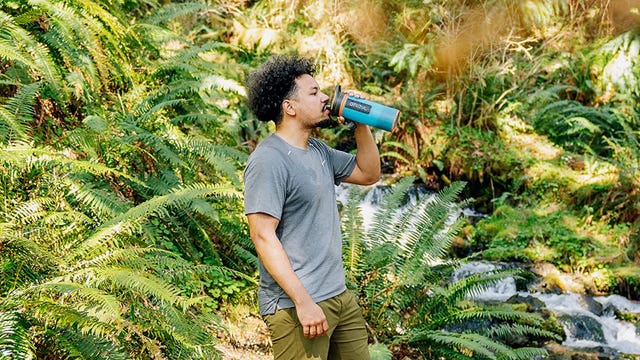
The natural water I tested the bottles in already looked relatively clean, but when I poured a bit from the Geopress water purification bottle, I was shocked at how crystal-clear it looked. Although I guess I shouldn’t have been surprised, as Grayl’s heavy-duty filtering and water purification system is designed to filter out protozoa, chemicals, particulates (like dirt and sand), heavy metals and bacteria and viruses.
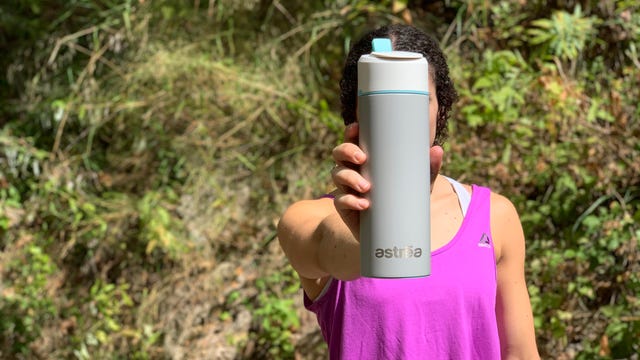
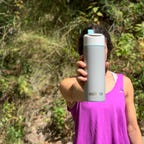
The Astrea One filtered water bottle filters out an impressive suite of heavy metals and chemicals, including lead, benzene, mercury, copper, chlorine and more. The website says you shouldn’t use this filter bottle with water that is “microbiologically unsafe or of unknown quality,” but I used it in natural freshwater and I turned out fine.

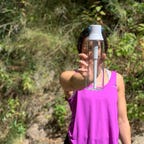
Water that comes out of the Sawyer Select filtered water bottle is clean drinking water, that’s for sure. Sawyer Products offers all sorts of clean-water gadgets, but this purifying water bottle in particular uses a double-filtration system: The interior “Foam Adsorption Technology” removes heavy metals, chemicals, pesticides and viruses, while the exterior micron water filter removes bacteria, protozoa, cysts, dirt and sediment.
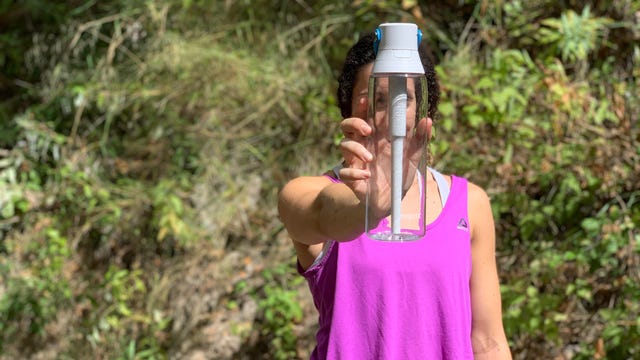
Brita is known for its faucet and pitcher filters, but the company also makes plastic and stainless steel filtered water bottles. According to Brita’s website, these bottles aren’t intended for outside use — they’re intended for just filtered tap water, like the Astrea bottle — but this bottle also filtered natural fresh water just fine. The Brita filtering water bottle uses an activated carbon filter, which is extremely porous and pulls contaminants, such as chlorine and particulates.
Not recommended
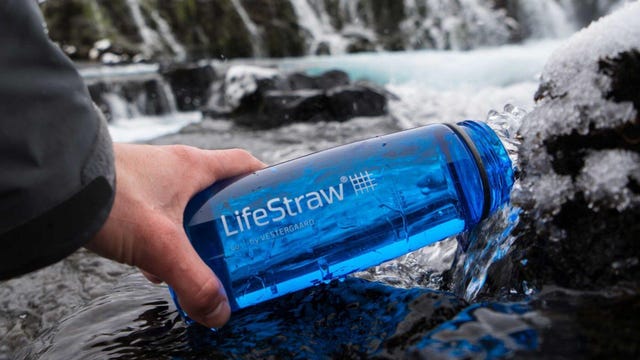
Despite being one of the most popular water-filtering products on the market, the Lifestraw Go did not meet my expectations for filtering. The double-stage filtration includes a hollow-fiber membrane and a carbon capsule, yet this was the only bottle that produced water with particles after passing through the Lifestraw filter. That’s not to say the Lifestraw Go isn’t safe to drink from — the particles were probably just sediment — but it did produce a relatively strong mineral taste compared to the other bottles on this list.
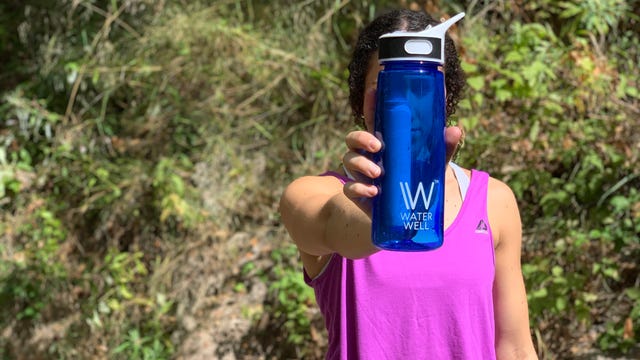
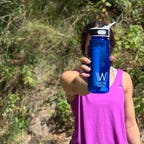
Waterwell claims its double-stage filtration system removes 99.9% of waterborne pathogens, but based on the taste of the water that came from this bottle, I wouldn’t be so sure. I didn’t feel or see any particles like I did with the Lifestraw Go, but the taste alone was enough to make me wary of bringing this bottle into the backcountry for clean water.
Originally published last year and updated periodically.
More green coverage at CNET
[ad_2]
Source link